
The cultural significance of gambling through the ages
The Origins of Gambling in Ancient Civilizations
Gambling has roots that trace back thousands of years, deeply embedded in the fabric of ancient societies. Early evidence suggests that the practice began with simple games using dice, which date back to civilizations such as the Mesopotamians and the Egyptians. These games often served not only as entertainment but also played roles in social rituals and economic exchanges. If you’re interested in learning more about this fascinating topic, you can go to site to explore various resources. The involvement of chance in these ancient games reflected humanity’s fascination with fate and fortune.

In many cultures, gambling was intertwined with religious practices. For instance, ancient Romans and Greeks participated in betting as part of their festivals, believing that luck was a divine gift. This connection between gambling and spirituality underscores how these activities have historically served to bridge the mundane with the mystical, illustrating the complex nature of human beliefs regarding luck and destiny.
Gambling in the Middle Ages and Renaissance
The Middle Ages saw gambling evolve significantly, with the introduction of more structured forms of games like cards. These games became immensely popular among nobility, who often engaged in gambling as a form of socializing and displaying wealth. The advent of card games marked a shift towards more strategic forms of gambling, appealing to those who craved both competition and chance.
During the Renaissance, gambling experienced a cultural renaissance itself, with the proliferation of games like lotteries and the establishment of casinos. These developments highlighted not only a growing acceptance of gambling but also its role in funding public projects and charities. This period marked a critical juncture in the evolution of gambling, where it transitioned from a pastime of the elite to a more widespread social activity.
The Role of Gambling in Modern Society
In contemporary society, gambling has taken on various forms, from traditional casinos to online platforms, reflecting advancements in technology and changes in social norms. The accessibility of gambling has led to an explosion in its popularity, making it a significant part of entertainment culture for many. As a result, gambling has become a staple in social gatherings and events, influencing social dynamics and recreational behaviors.
Moreover, gambling has implications beyond mere entertainment. It has been linked to economic benefits, such as job creation and tourism, particularly in regions where casinos are prevalent. Yet, this also raises discussions about responsible gambling and the need for regulations to mitigate potential negative impacts, revealing the dual nature of gambling as both a source of pleasure and a potential risk.
Cultural Perspectives on Gambling
Different cultures perceive gambling in diverse ways, often influenced by historical, religious, and social factors. In some societies, gambling is viewed as a harmless form of recreation, while in others, it may carry stigma or be outright prohibited due to moral or religious beliefs. This dichotomy highlights how cultural values shape the acceptance and regulation of gambling activities around the world.
Furthermore, gambling practices often reflect cultural identities and traditions. For instance, Indigenous communities may have their own unique gambling games that serve as a means of cultural expression and social cohesion. By examining these cultural perspectives, we gain insight into how gambling is not only a personal activity but also a collective experience shaped by history and cultural significance.
Exploring the Modern Gambling Landscape
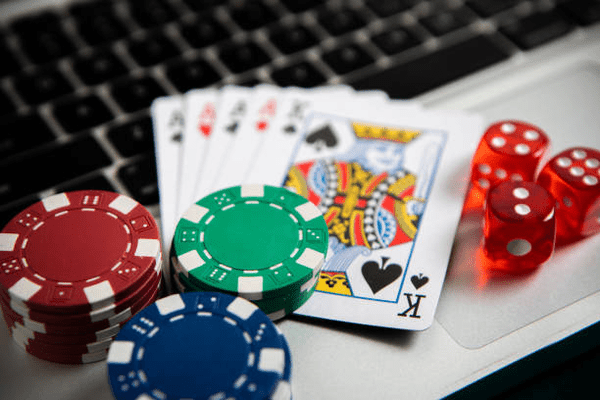
The modern gambling landscape has transformed dramatically with the rise of technology, particularly the internet. Online gambling platforms have emerged as a dominant force, allowing players to access a wide variety of games from the comfort of their homes. This shift has changed the dynamics of gambling, making it more accessible and appealing to a global audience.
As the online gambling industry continues to grow, it is essential for players to choose reliable platforms that prioritize safety and customer satisfaction. With comprehensive reviews and curated selections available, users can navigate the vibrant world of online gaming while ensuring a secure and enjoyable experience. This evolution represents the ongoing cultural significance of gambling as it adapts to contemporary lifestyles, blending tradition with innovation.